

In today’s competitive global market, sourcing wholesale stock from trusted factories is a cornerstone of building a sustainable and profitable business. Whether you’re a startup owner looking for your first batch of products or an established retailer expanding your supply chain, the ability to find reliable factory partners is essential. Working with the right suppliers ensures product quality, consistency, compliance with regulations, and fair pricing—all of which directly impact your brand reputation and bottom line.
This article will walk you through the strategies, practical steps, and key considerations for sourcing wholesale stock from trusted factories.
Why Factory Sourcing Matters
Many entrepreneurs start their sourcing journey through middlemen, trading companies, or distributors. While this approach may be easier initially, it often comes with higher costs, less control over product quality, and limited customization options. Going directly to trusted factories provides several advantages:
-
Cost savings by cutting out intermediaries.
-
Better product quality due to direct communication with manufacturers.
-
Customization flexibility for branding and product design.
-
Long-term relationships that create stability in your supply chain.
-
Scalability as factories are often equipped to handle large orders.
However, these benefits are only achievable if you partner with trustworthy factories. Poorly chosen suppliers can result in delays, inconsistent product quality, hidden costs, or even legal issues.
Step 1: Define Your Needs Clearly
Before reaching out to factories, you must have clarity about what you’re looking for. This step helps you filter potential suppliers and communicate effectively. Key points to consider include:
-
Product specifications: Size, material, design, packaging, and standards.
-
Order volume: Minimum order quantities (MOQs) you can afford and sustain.
-
Target price range: Benchmark costs to ensure you remain competitive.
-
Compliance requirements: Safety standards, certifications, and regulations relevant to your industry.
Having these details written down will save time during negotiations and demonstrate professionalism to suppliers.
Step 2: Research Potential Factories
The search for trusted factories requires due diligence. Several reliable platforms and methods can connect you with manufacturers:
-
Online marketplaces: Alibaba, Made-in-China, and Global Sources are widely used platforms where factories showcase their products. Look for verified badges and reviews.
-
Industry trade shows: Events like the Canton Fair in China or sector-specific expos allow you to meet suppliers in person and inspect product samples directly.
-
Sourcing agents: Professional agents with local expertise can vet factories on your behalf, especially if language or cultural barriers pose a challenge.
-
Referrals and networks: Industry peers or professional groups often provide recommendations of trusted suppliers.
-
Government directories: Many countries publish factory directories for exporters, which can help identify legitimate, certified manufacturers.
Avoid rushing this process—quality sourcing is about building a foundation, not making hasty decisions.
Step 3: Verify Factory Credentials
Not every company presenting itself as a “factory” is legitimate. Some are trading companies that outsource production. To ensure reliability, conduct thorough verification:
-
Business license checks: Ask for official registration documents and verify through government or chamber of commerce databases.
-
Certifications: Look for ISO, CE, FDA, or other certifications relevant to your product category.
-
Audits: If possible, request third-party factory audits to assess facilities, workforce practices, and production capabilities.
-
Background checks: Use platforms like QCC or import records databases to evaluate a factory’s history and track record.
-
References: Ask the supplier to provide client references, and don’t hesitate to reach out to them directly.
This due diligence process significantly reduces risks of fraud, poor quality, or unreliable production capacity.
Step 4: Request Samples Before Committing
Samples provide a real-world glimpse into product quality and craftsmanship. Never skip this step. Here’s how to approach it:
-
Order multiple samples to compare finishes, packaging, and durability.
-
Test for consistency—do repeat samples meet the same quality standard?
-
Check compliance—ensure the product meets safety and regulatory standards.
-
Evaluate responsiveness—how quickly does the factory respond to sample requests, and do they follow your specifications accurately?
If samples fall short, it’s better to move on early than to risk a full order of subpar goods.
Step 5: Negotiate Terms Clearly
Once you’ve shortlisted a factory, negotiations come into play. Trusted factories will be open to transparent discussions. Important terms to cover include:
-
Pricing structure (unit cost, packaging fees, shipping).
-
Payment terms (deposit percentage, balance payment timeline).
-
Minimum order quantity (MOQ) and scalability.
-
Lead time for production and shipping.
-
Quality assurance process (who handles inspections and what happens if defects are found).
-
Intellectual property protection, especially for custom designs.
A written contract should formalize all agreements to protect both parties.
Step 6: Conduct Quality Inspections
Even after choosing a trusted factory, quality checks should not be overlooked. Consider:
-
Pre-production samples: To verify the final product matches your specifications.
-
During-production inspections: Ensures consistency and identifies problems early.
-
Pre-shipment inspections: A third-party quality control company can test random samples from the order before it leaves the factory.
Investing in quality inspections may seem costly but prevents larger financial losses from defective stock.
Step 7: Build Long-Term Relationships
Sourcing isn’t just a one-time transaction—it’s about building sustainable partnerships. Treat factories as collaborators, not just vendors.
-
Communicate regularly to stay updated on production schedules.
-
Be fair in negotiations—pushing for the lowest possible price may compromise quality.
-
Pay on time to build trust.
-
Reward reliability by offering repeat orders.
-
Visit factories periodically (if possible) to strengthen relationships and understand operations.
Strong supplier relationships lead to preferential pricing, priority treatment, and more flexibility in scaling your business.
Step 8: Stay Compliant with Import Regulations
Importing stock from overseas factories involves navigating legal frameworks. Always check:
-
Tariffs and duties applicable to your product category.
-
Labeling requirements (e.g., “Made in China” labels for US imports).
-
Safety standards for electronics, cosmetics, toys, or food-related products.
-
Customs documentation to avoid delays and fines.
Partnering with freight forwarders or customs brokers can simplify compliance and shipping logistics.
Common Mistakes to Avoid
Even experienced entrepreneurs can make sourcing errors. Avoid these pitfalls:
-
Choosing based only on price—ultra-cheap factories often cut corners.
-
Skipping due diligence—failing to verify legitimacy can lead to scams.
-
Ignoring communication red flags—slow, vague, or evasive responses suggest unreliability.
-
Placing large orders immediately—always start with small trial orders.
-
Not protecting intellectual property—ensure contracts cover confidentiality and design rights.
Being proactive in spotting these mistakes will save time, money, and reputation.
The Role of Technology in Modern Sourcing
Advancements in digital tools are transforming the way businesses source from factories:
-
AI-powered sourcing platforms can match buyers with vetted suppliers.
-
Blockchain technology provides transparent supply chain tracking.
-
Virtual factory tours via video conferencing reduce the need for physical travel.
-
Data analytics help predict demand and optimize order quantities.
Leveraging these tools enhances efficiency and minimizes risks.
Sourcing the best wholesale stock from trusted factories is not simply about finding the cheapest option—it’s about balancing cost, quality, compliance, and long-term reliability. By defining your needs, researching thoroughly, verifying credentials, testing samples, negotiating fairly, and building lasting partnerships, you can establish a resilient supply chain that supports business growth.
The right factory partnership transforms from being just a supplier into a strategic ally, helping you scale, innovate, and maintain customer trust. In the competitive global market, this kind of reliability is the ultimate business advantage.
Related Blog
-
How Disposable Vapes Fit Into a Busy Lifestyle?
In today’s fast-paced world, convenience is more important than ever. From food delivery apps to instant communication, people look for products that …
-
Why Flat or Slim Vapes Are Best for Your Pocket?
In the ever-evolving world of vaping, design plays a huge role in how we choose our devices. While performance, battery life, and flavor delivery are …
-
Does a High-Puff Vape Affect the Taste and Throat Hit?
Vaping has evolved rapidly over the past decade, and one of the most noticeable developments is the introduction of high-puff disposable vapes. Instea…
-
How to Store Your Vape After Opening to Preserve Flavor: A Complete Guide
For vape enthusiasts, nothing is more disappointing than taking a puff of your favorite e-liquid only to find its rich flavor faded—flat, metallic, o…
-
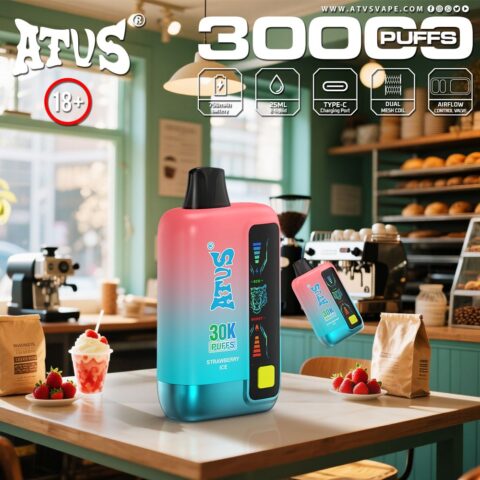
What Vapers Say About Nicotine-Free Options?
As the vaping market evolves, one of the most notable trends is the rise in popularity of nicotine-free vape options. Once seen as a niche category, z…
-
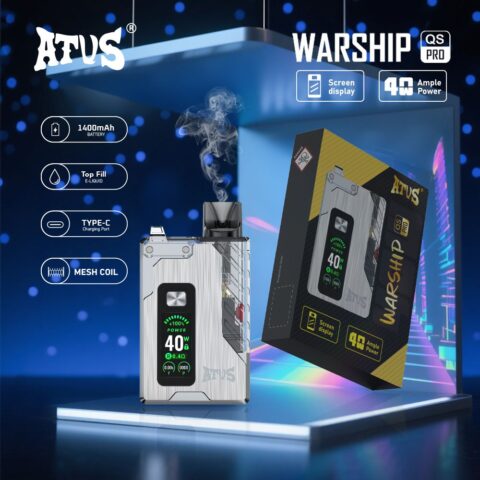
How to Tell the Quality of Disposable Vapes: A Complete Guide?
Disposable vapes have surged in popularity due to their convenience, portability, and ease of use. They come pre-filled with e-liquid, pre-charged, an…
