

For decades, heavy smoking has been one of the toughest habits to break. Despite widespread awareness of the health risks, many long-term smokers find it nearly impossible to quit. Traditional methods such as nicotine patches, gum, or prescription medications don’t always provide the satisfaction or psychological relief that smokers crave. In recent years, vaping has emerged as a potential alternative. But is it truly a solution for heavy smokers, or just another habit disguised in a different form?
This article explores how vaping compares to smoking, whether it can help heavy smokers quit, and what science, experts, and real-world users say about its effectiveness.
Understanding the Struggles of Heavy Smokers
Heavy smokers typically consume more than a pack of cigarettes a day. Over time, their bodies adapt not only to nicotine but also to the ritual of smoking—hand-to-mouth movements, the throat hit, and the sense of relief that comes with each puff.
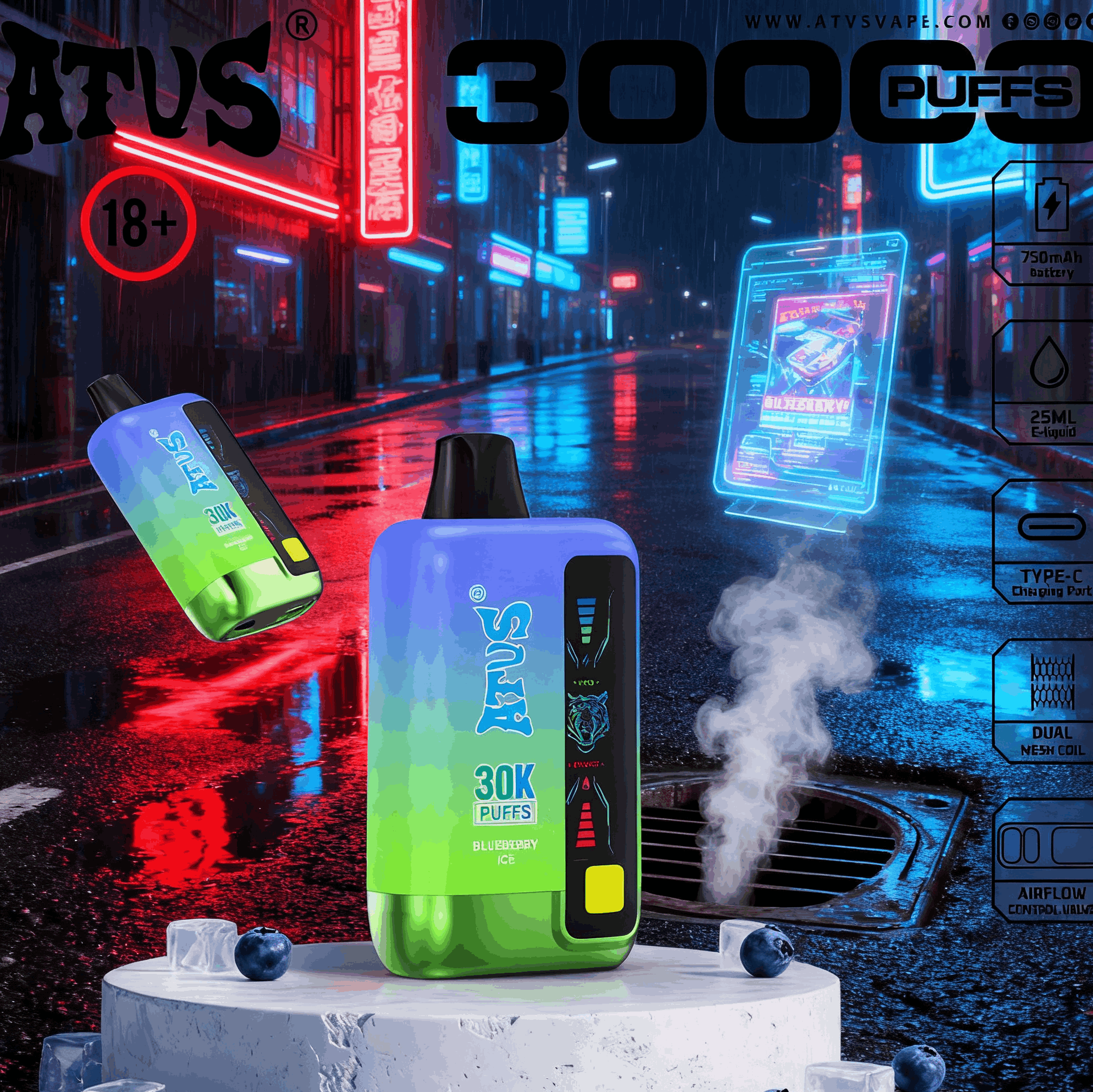
Because of this, quitting cold turkey is often extremely difficult. Even nicotine replacement therapies (NRTs) like patches or lozenges may fail because they don’t replicate the behavioral and sensory aspects of smoking. That’s where vaping comes in—it delivers nicotine while mimicking some of the smoking rituals.
What Makes Vaping Appealing to Smokers?
Vaping devices, especially modern ones, are designed to feel similar to smoking. They generate vapor that users inhale, often with a comparable throat hit. Here are the reasons heavy smokers turn to vaping:
-
Nicotine Control – E-liquids come in different strengths, allowing smokers to start with high nicotine levels and gradually reduce them.
-
Ritual Satisfaction – Vaping preserves the hand-to-mouth motion and inhalation process, which many smokers find comforting.
-
Flavor Variety – While cigarettes offer limited flavors, vaping provides a wide range, making it easier to break away from the taste of tobacco.
-
Reduced Exposure to Harmful Chemicals – Cigarette smoke contains over 7,000 chemicals, many toxic. Vaping still isn’t risk-free but typically exposes users to fewer harmful substances.
-
Social and Practical Benefits – Vaping often produces less odor, doesn’t stain teeth as severely, and may be more acceptable in some environments.
What Science Says About Vaping as a Smoking Alternative
Health organizations worldwide have debated vaping’s role. Here are some insights from recent research:
-
Public Health England (PHE) has stated that vaping is around 95% less harmful than smoking. While not completely risk-free, it’s considered a safer alternative.
-
Cochrane reviews (systematic evidence-based studies) suggest that vaping can be more effective for smoking cessation than traditional NRTs.
-
A New England Journal of Medicine study found that smokers who switched to e-cigarettes were twice as likely to quit as those using nicotine replacement therapies.
-
However, the World Health Organization (WHO) remains cautious, citing concerns about long-term health effects and the potential for non-smokers, particularly youth, to take up vaping.
The general consensus is that while vaping isn’t harmless, it’s significantly less dangerous than smoking combustible tobacco. For heavy smokers who cannot quit using other methods, vaping may be a practical harm-reduction tool.
Challenges Heavy Smokers Face When Switching to Vaping
Despite its benefits, vaping is not always a seamless solution. Heavy smokers often encounter obstacles such as:
-
Finding the Right Device and Strength – Some start with low-powered devices or weak nicotine e-liquids, which fail to satisfy cravings. This leads them back to cigarettes.
-
Adjustment Period – Vaping feels different than smoking at first, and some users take time to adapt.
-
Dual Use – Many heavy smokers continue smoking while vaping, instead of fully switching. This reduces the harm-reduction benefits.
-
Misconceptions About Safety – Some smokers avoid vaping altogether due to exaggerated fears, even though it’s still a safer choice than smoking.
Can Vaping Really Help Heavy Smokers Quit?
The answer depends on how vaping is used:
-
As a Full Replacement: When heavy smokers completely switch from cigarettes to vaping, the health benefits are clear. They avoid most of the harmful combustion chemicals found in tobacco smoke.
-
As a Stepping Stone: Many smokers use vaping as a gradual path to quitting, lowering nicotine levels over time until they no longer need it.
-
As a Supplement: Some heavy smokers use vaping only in smoke-free environments, which does not significantly reduce harm.
Therefore, vaping’s effectiveness as a solution is strongly tied to commitment. Those who view it as a genuine alternative, not just a backup, are more likely to succeed in reducing or quitting smoking altogether.
The Health Perspective: Harm Reduction vs. Harm Elimination
It’s important to emphasize that vaping is not risk-free. Long-term effects are still being studied, and inhaling vaporized substances can affect lung and cardiovascular health. However, for heavy smokers, the debate is less about absolute safety and more about relative risk.
-
Continuing to smoke exposes the body to thousands of toxic chemicals and carcinogens.
-
Switching to vaping eliminates many of these toxins, significantly lowering risk.
-
Quitting both smoking and vaping altogether remains the best option for long-term health.
In other words, vaping can be seen as a harm-reduction tool rather than a cure.
Real-World Success Stories
Many former heavy smokers credit vaping with helping them break free from cigarettes. Online forums, testimonials, and case studies often highlight:
-
Smokers who had tried and failed multiple times with patches or medications but succeeded with vaping.
-
People who began with high-nicotine disposable vapes, then moved to refillable systems, gradually lowering nicotine strength.
-
Users reporting improvements in breathing, sense of taste, and energy levels after switching.
These stories underscore vaping’s potential as a solution when other methods fall short.
The Future of Vaping for Heavy Smokers
The vaping industry is evolving rapidly. Newer devices offer better nicotine delivery, improved battery life, and advanced coils that provide more satisfying experiences. Regulations in many countries are also shaping the market, with restrictions on youth access and product safety standards.
Looking ahead, vaping could become an officially recognized harm-reduction tool if research continues to support its effectiveness. Already, some healthcare providers recommend it to smokers who struggle with other cessation methods.
So, is vaping a real solution for heavy smokers? The evidence suggests that it can be—if used properly. While not risk-free, vaping provides nicotine in a way that reduces exposure to the toxic chemicals of cigarette smoke. For heavy smokers who have struggled to quit, vaping may serve as a life-changing alternative, either as a complete replacement or as a step toward eventual nicotine freedom.
The key lies in making informed choices: choosing the right device, using appropriate nicotine strengths, and committing fully to replacing cigarettes with vaping. When approached with the mindset of harm reduction, vaping can indeed be a real and effective solution for heavy smokers.
Related Blog
-

Do Higher mAh Batteries Make Vapes Last Longer?
When shopping for a vape device, one of the most important specifications you’ll encounter is the battery capacity, usually measured in milliampere-ho…
-

How to Make Your Vape Flavor Last Longer?
One of the biggest attractions of vaping is the variety of flavors—ranging from fruity blends and dessert-inspired juices to classic tobacco and refre…
-

How Does E-Liquid Quality Affect Vape Taste?
The flavor of a vape is one of the most important aspects of the vaping experience. Whether you’re chasing thick clouds or savoring a fruity ble…
-

How Does a 30,000 Puff Disposable Vape Work?
As the vaping industry continues to innovate, disposable vape devices are reaching new heights in both performance and longevity. One of the most rema…
-

What vape pen is most like a cigarette?
The transition from smoking traditional cigarettes to vaping can be daunting, especially for those who crave the familiar ritual and sensory experienc…
-

Tips to Cut Down on Vaping Costs Without Sacrificing Quality
For many vaping enthusiasts, the experience goes beyond nicotine—it’s about flavors, clouds, and satisfaction. But there’s no denying that vaping can …
