

When people switch to vaping—whether to quit smoking, explore new flavors, or reduce nicotine intake—they often expect it to be a cheaper alternative to smoking. In theory, it can be. However, in practice, many vapers find themselves spending much more than they initially anticipated. What starts as a cost-saving move can quickly turn into an expensive hobby. From flashy new devices to a growing collection of e-liquids, the vaping lifestyle often comes with hidden costs. So why exactly do some vapers end up spending more than expected? Here’s a breakdown of the common financial traps and habits that contribute to the rising costs of vaping.
1. Frequent Upgrades and New Devices
The vape industry is constantly evolving, with new models, technologies, and designs hitting the market regularly. Many vapers are tempted to upgrade their devices every few months to try out better battery life, more customizable settings, or simply sleeker designs. While each device might seem affordable on its own, frequent upgrades can add up fast—especially when older devices are left unused in favor of the latest model.
High-end mods, pod systems, and disposable vapes may all offer a slightly different experience, encouraging some users to collect multiple types. This “tech upgrade cycle” mirrors what we see in smartphones, where the latest version quickly becomes a must-have.
2. Trying Multiple E-Liquid Flavors
E-liquid variety is one of the most appealing aspects of vaping. There are thousands of flavors to choose from, ranging from fruits and desserts to minty and exotic blends. However, this variety often leads vapers to buy more than they need. Instead of sticking to one or two preferred flavors, users might stock up on several at once—some of which may not even be enjoyable.
Trying new e-liquids becomes a habit or even a hobby. Many vapers enjoy exploring new brands or seasonal limited editions, which can turn into frequent purchases. Even small purchases of $10 to $20 per bottle can add up quickly over weeks or months.
3. Replacing Coils and Pods Regularly
Another recurring cost that vapers often underestimate is the need to replace coils, pods, and wicks regularly. Coils, which heat the e-liquid and produce vapor, typically last one to two weeks depending on usage. Pods, particularly for closed systems, need replacing even more frequently.
Poor maintenance, chain vaping, or using sweet, high-VG juices can burn out coils faster, making replacements even more frequent. At $3 to $5 per coil or $10 to $20 per pack of pods, these ongoing costs can quietly add a significant burden to your vaping budget.
4. Disposable Vapes: Convenience at a Cost
While disposable vapes are convenient and beginner-friendly, they’re also one of the most expensive ways to vape over time. Each unit may cost $10 to $20 and last only a few hundred puffs. For heavy users, this can mean buying multiple disposables per week.
Many people turn to disposables for convenience or to avoid the mess of refilling tanks, but the recurring expense adds up quickly. For long-term vapers, switching to refillable systems could drastically reduce spending, but not everyone makes that leap right away.
5. Impulse Buys and Vape Shop Visits
Impulse buying is another hidden cost many vapers fall into. Browsing vape shops—either online or in person—can tempt users into purchasing new accessories, juices, or limited-edition items they didn’t plan to buy. Promotions like “buy two get one free” or exclusive drops make it easy to overspend.
Some vapers also build a sense of loyalty to specific brands or stores and find themselves spending more to support them, even when cheaper alternatives exist. Emotional or social spending habits can push monthly vape budgets higher than expected.
6. Accessories and Customization
Vaping allows for a high level of personalization, from decorative drip tips and colorful battery wraps to custom skins, carrying cases, and stands. While these aren’t essential to the function of the vape, they add to the user experience—and to the overall cost.
For those who treat vaping as a hobby or lifestyle, these accessories can become regular purchases, even if they don’t impact performance. It’s similar to how car enthusiasts invest in aesthetics or tech lovers in gadgets: customization brings joy but costs money.
7. Subscription Boxes and Bundles
Subscription services for vaping products are growing in popularity. While they offer convenience and discovery, they also encourage users to spend a set amount each month—sometimes on products they wouldn’t have bought individually. Over time, these recurring charges can exceed what the user would have spent buying items only as needed.
Likewise, bulk bundles or mystery boxes might seem like a good deal but often include items the buyer doesn’t use, which leads to wasteful spending.
8. Overuse and High Nicotine Consumption
Some vapers, especially those new to the habit, may vape more frequently than they would smoke. Devices that are easy to use and always within reach encourage constant puffing, which burns through e-liquid and batteries faster.
Additionally, using high-nicotine juices or salts can increase both dependence and consumption. More vaping equals more refills, replacements, and spending.
Conclusion
While vaping can certainly be more affordable than smoking, especially with careful planning, it’s easy to fall into spending traps. Frequent upgrades, flavor exploration, replacement parts, and convenience-based purchases all contribute to higher-than-expected costs.
The key to controlling spending is awareness. Setting a monthly budget, tracking expenses, and making conscious decisions about which products truly enhance your vaping experience can help you enjoy vaping without overspending. Like any hobby, vaping can be as budget-friendly—or as expensive—as you make it.
Related Blog
-
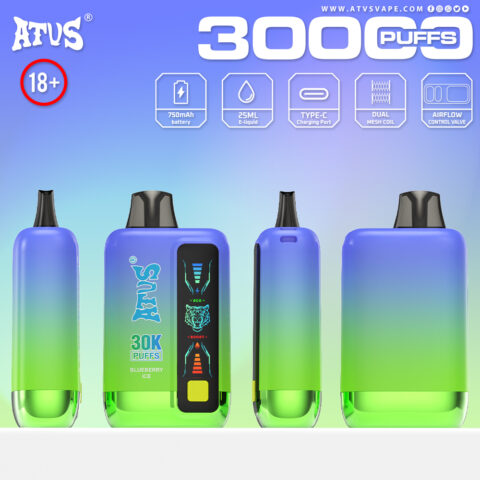
How Does a 30,000 Puff Disposable Vape Work?
As the vaping industry continues to innovate, disposable vape devices are reaching new heights in both performance and longevity. One of the most rema…
-

Do 0mg Disposable Vapes Produce Less Odor Than Nicotine Vapes?
As disposable vapes continue to gain popularity, many users are exploring different types of devices based on their preferences for nicotine content, …
-
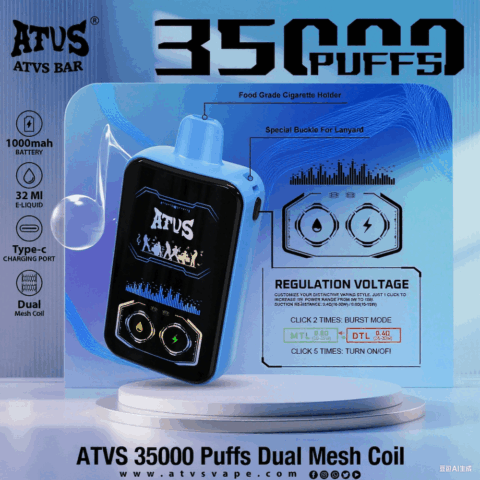
Why Do 35,000 Puff Disposable Vapes Offer Better Value for Money?
As vaping continues to evolve, the demand for high-performance, long-lasting devices is on the rise. One of the latest trends capturing attention is t…
-

What Is Considered Excessive Vaping?
Vaping has rapidly become a mainstream alternative to smoking, embraced by millions worldwide. While many see it as a less harmful option than traditi…
-

How Long Does It Take for Your Lungs to Heal from Vaping?
Vaping is often marketed as a “safer” alternative to traditional smoking, but research increasingly shows that it can still have harmful effects on th…
-
Do I Need to Prove My Age When Buying a Vape in a Store?
With the increasing popularity of vaping across the globe, governments and public health authorities have implemented regulations to prevent underage …
