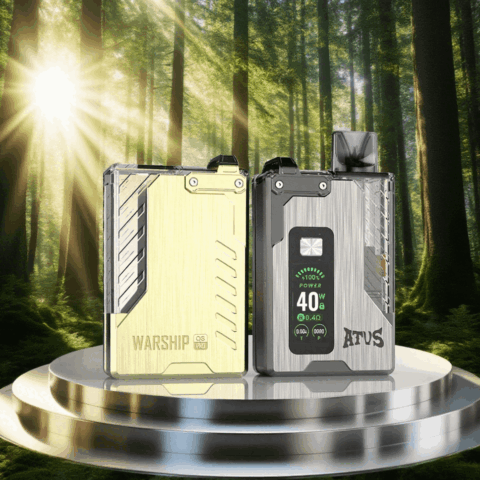
The UK vaping market continues to evolve as regulators strengthen oversight to ensure product safety, environmental responsibility, and responsible retail practices. With the enforcement of TPD compliant vapes, the requirement for MHRA notified products, and the upcoming UK vape tax 2026, manufacturers, retailers, and consumers must stay informed to remain compliant and competitive.
This article explains what these regulations mean and how they will shape the UK vape industry.
1.Understanding TPD Compliant Vapes
The UK Tobacco Products Directive (TPD), retained from EU legislation after Brexit and incorporated into UK law, sets strict requirements for vape products sold legally in the market. TPD compliance is essential for any brand that wants to operate within the UK.
Key TPD requirements include:
- E-liquid tank capacity limited to 2ml
- Nicotine strength limited to 20mg/ml (2%)
- Refill containers limited to 10ml
- Child-resistant and tamper-evident packaging
- Clear health warnings covering 30% of packaging
- Prohibition of certain additives such as caffeine and taurine
- Emissions testing and ingredient reporting
TPD compliant vapes are designed not only to protect consumers but also to create standardization across the industry. For retailers, selling non-TPD compliant products can lead to product seizures, financial penalties, and reputational damage.
For manufacturers, compliance should be considered a baseline requirement rather than a competitive advantage.
2.MHRA Notified Products: A Legal Requirement
In the UK, all vape products must be notified to the Medicines and Healthcare products Regulatory Agency (MHRA) before being placed on the market. This process ensures transparency and regulatory oversight.
MHRA notification requires manufacturers or importers to submit:
- Full ingredient listings
- Toxicological data
- Nicotine dosage information
- Emissions data
- Product design details
- Lab testing reports
Once accepted, the products are added to the official notified products list, which retailers often check before sourcing inventory.
MHRA notified products demonstrate that:
- The product meets UK safety standards
- The manufacturer has provided full regulatory documentation
- The product is legally permitted for sale
Retailers should always verify that products appear on the MHRA notified database before purchasing stock, as enforcement actions are increasing across the UK.

3.UK Vape Tax 2026: What Is Changing?
One of the biggest upcoming changes is the introduction of the UK vape tax in 2026, officially known as the Vaping Products Duty. This new tax aims to regulate consumption while maintaining vaping as a less harmful alternative to smoking.
The tax is expected to apply to e-liquids based on nicotine strength, with proposed tiered rates such as:
- Lower rate for nicotine-free or low nicotine products
- Standard rate for mid-strength nicotine liquids
- Higher rate for high-nicotine products
Although final implementation details may continue to evolve, the goals of the vape tax include:
- Supporting public health policy
- Preventing youth uptake
- Creating tax parity between nicotine products
- Generating government revenue
For businesses, this means cost structures will change. Importers and brands should begin preparing supply chains, pricing strategies, and compliance systems now.
4.How Businesses Should Prepare
To stay compliant and profitable under the new regulatory landscape, vape businesses should focus on three key areas:
1. Compliance First Strategy
Companies should prioritize:
- Selling only TPD compliant vapes
- Ensuring all products are MHRA notified
- Maintaining documentation for inspections
- Working with compliant manufacturers
Compliance is becoming a key trust signal in the UK market.
2. Pricing Strategy Adjustments
With the vape tax approaching, businesses should consider:
- Future pricing models
- Margin protection strategies
- Supplier negotiations
- Inventory planning before tax implementation
Forward planning may help reduce financial impact.
3. Product Portfolio Optimization
The market may shift toward:
- Rechargeable pod systems
- Refillable compliant devices
- Lower nicotine products
- Eco-friendly vape designs
Retailers focusing on compliant, sustainable, and tax-efficient products may gain a competitive advantage.
5.What Consumers Should Know
For consumers, these regulations provide important protections.
Buying MHRA notified and TPD compliant vapes ensures:
- Tested ingredients
- Nicotine limits for safety
- Regulated manufacturing standards
- Legal product traceability
Consumers may also notice price increases after the vape tax introduction, but this is part of broader public health policy rather than an industry decision.
Consumers should also be cautious of unusually large puff disposable devices claiming extreme capacities, as many may not meet UK regulatory requirements if they exceed TPD limits.
6.The Future of the UK Vape Market
The UK remains one of the most regulated but also most opportunity-driven vape markets globally. Regulatory clarity often leads to stronger, more sustainable businesses.
Key trends likely to define the future include:
- Stronger enforcement against illegal disposable vapes
- Growth of compliant high-quality brands
- Environmental regulations on disposables
- Tax-driven innovation in device design
- Greater retailer accountability
Businesses that embrace compliance rather than avoid it will likely be the ones that succeed long term.
7.Conclusion
The combination of TPD compliant vapes, MHRA notified products, and the UK vape tax 2026 marks a new phase for the UK vaping industry. Regulation is becoming stricter, enforcement is increasing, and taxation is expanding.
However, these changes also create opportunities for responsible brands and retailers to build trust, differentiate themselves, and operate sustainably.
For any company operating in the UK vape sector, the message is clear: compliance is no longer optional—it is the foundation of long-term success.
Businesses that act early, adapt quickly, and prioritize regulatory alignment will be best positioned to thrive in the evolving UK vape landscape.